
- English
- Living in Japan
- Japanese Lessons
- Kanji you need to know this summer (July 2026)
Each month, we share practical Japanese language lessons to help you navigate daily life in Japan with confidence. Find more resources for living in Japan.
Japanese Lesson: The kanji you need to know this summer
Summers in Japan can seem oppressive, but by learning a little bit of kanji, you can confidently find refreshments, travel in comfort, and navigate weather warnings.
Travel by train in comfort
弱冷車 (じゃくれいしゃ – jakureisha) / 弱冷房車 (じゃくれいぼうしゃ – jakureibōsha): Mildly air-conditioned cars. In Japan, some train cars have lower, milder air conditioning to save energy and help passengers who are sensitive to cold air. If you find the regular cars too chilly, you can specifically seek out these milder cars by looking for these characters; they are usually near the train doors or on the windows. Looking for the coolest possible ride? Find a standard train car without these kanji.
Find refreshments
When you need an immediate cool-down, head to a convenience store or festival stall and look for these signs:
- 麦茶 (むぎちゃ – mugicha): Barley tea. The unofficial drink of Japanese summer. It’s caffeine-free, roasted, served ice-cold, and excellent for restoring hydration. You can find it in every vending machine.
- 冷やし中華 (ひやしちゅうか – hiyashi chūka): Chilled Chinese noodles. When it is too hot to eat heavy food, restaurants put out signs reading “冷やし中華始めました” (Hiyashi Chūka hajimemashita – “We’ve started serving chilled noodles”). It is a colorful dish of cold ramen noodles topped with strips of egg, cucumber, ham, and a refreshing soy-sesame vinaigrette.
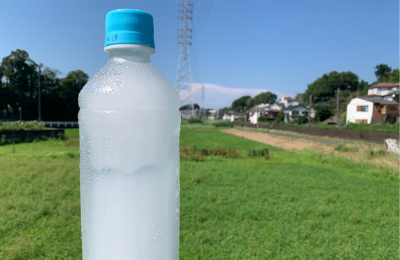
- 冷凍ペットボトル (れいとうぺっとぼとる – reitō petto botoru): Frozen plastic bottles. During the summer season, convenience stores stock separate freezer cases filled with frozen bottles of green tea, barley tea, and sports drinks. Travelers buy them to use as a makeshift ice pack against their forehead or neck while walking, and it slowly melts into an ice-cold drink over the next few hours.
Navigating summer weather
These kanji can be critical to helping you plan for the weather and stay safe:
- 熱中症 (ねっちゅうしょう – netchūshō): Heatstroke. Look out for this kanji on news broadcasts, train station digital signs, and convenience store displays. If you see warnings for this, it means you need to scale back outdoor activities and drink electrolytes.
- 最高気温 (さいこうきおん – saikō kion): Highest temperature. This is the maximum predicted heat for the day, usually occurring around 2:00 p.m.
- 湿度 (しつど – shitsudo): Humidity. In July and August, this number routinely hovers between 70% and 90%. A 32°C (90°F) day with 85% humidity feels significantly hotter than a dry 38°C (100°F) day in drier climates.
- 台風 (たいふう – taifū): Typhoon. If a typhoon is approaching, trains and flights are frequently delayed or canceled well in advance to ensure safety.
- 注意報 (ちゅういほう – chūihō) vs. 警報 (けいほう – keihō): Both are used to communicate caution related to weather or other safety issues.
- Chūihō means Advisory (be careful/stay aware).
- Keihō means Warning (take action/stay indoors).