
- English
- Living in Japan
- Tips from Teachers
- Surviving the summer heat (July 2026)
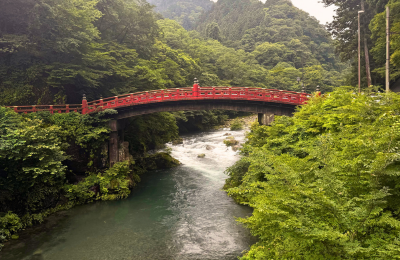
Each month, our experienced teachers share real-world tips to help you navigate life in Japan with confidence. Find more resources for living in Japan.
Tips from Teachers: Surviving the summer heat
Summer in Japan is beautiful – think vibrant festivals, stunning fireworks, and late-night convenience store ice cream runs. However, it is also incredibly, undeniably humid. Walking outside in July and August can feel like stepping into a hot steam room.
While the standard advice is to "drink water and wear sunscreen," we wanted to share some practical tips for beating the heat. We asked our seasoned teachers – who have survived many Japanese summers – to share their best hacks.
1. Navigate Japanese drugstores like a pro
Walking into a Japanese drugstore and facing a wall of sunscreen can be overwhelming. However, you don’t actually need to read Japanese to find what you’re looking for.
Look on the front of the bottle or the cardboard packaging for these English loanwords written in katakana:
- ミルク (mi-ru-ku) – MILK
- Finish: Matte, smooth, and zero stickiness.
- Best for: Humid days and oily or combination skin types. (If you are still uncertain, shake the bottle; if you hear a rattle, that’s the one!)
- ジェル (je-ru) — GEL
- Finish: Glowy and dewy with a cooling, water-like sensation.
- Best for: Dry skin types, hot days, and achieving a "glass skin" look.
- エッセンス (e-ssen-su) — ESSENCE
- Finish: Dewy to natural finish. It feels just like a lightweight moisturizer.
- Best for: Daily wear, normal skin, and easy reapplication.
Quick Cheat: Keep an eye out for SPF 50+ and PA++++ (four pluses is the maximum rating in Japan) to get the strongest possible protection against the intense summer sun.
2. Master the free water refill
In Japan, you are never far from a vending machine. While grabbing a cold 500ml bottle is incredibly convenient, it has its downsides: the water gets warm fast, the cost adds up, and it generates a lot of plastic waste.
There is a reason you see so many locals carrying high-quality, insulated, reusable bottles. If you want to keep your bottle topped up with ice-cold water all day for free, here is how to do it:
- Public parks & hubs: Keep an eye out for clean public water fountains in parks, major highway rest stops, and near shopping center restrooms.
- Food court stations: Head to any mall food court. You will find a self-serve water station with free, filtered, ice-cold water.
- Refill finder apps: Search for "water refill map" in your app store. These free apps show public fountains and eco-friendly shops nearby that will fill your bottle at no cost.
- The convenience store ice trick: If your water gets warm, walk into any convenience store and buy a cheap cup of pure ice from the freezer section to dump straight into your bottle.
- The 100-Yen strap: Grab a cheap, universal bottle strap or holder from a local 100-yen shop to carry your bottle hands-free, as a crossbody bag, or clip it to your backpack.
3. Escape the heat with classic hangouts
You don't have to spend the entire summer hiding in your home. There are some great spaces in Japan that can keep you cool for free.
- Public and university museums: Many universities and public institutions host modern archives that are completely free to enter. It's a quiet, air-conditioned way to check out cool exhibits.
- Public observation decks: Skip the pricey tourist towers. Many city halls and government buildings feature top-floor observation decks with great A/C and stunning panoramic views for free.
- Covered shotengai: These traditional shopping streets have massive canopy roofs that block the sun and create a wind-tunnel effect, keeping you in the shade as you stroll.
- Park gazebos (azumaya): Look for these wooden pavilions in public gardens and parks. Their heavy roofs offer deep shade, and they are usually built near water to catch a cool breeze.
If you are hanging out under a park gazebo, consider grabbing a traditional paper hand fan (uchiwa) or a folding fan (sensu). They are a stylish and eco-friendly way to keep yourself cool on the go.
4. Escape the concrete jungle
When the city gets too hot, do what the locals do: head to a hishochi (避暑地). These are mountain, coastal, and highland retreats where the temperature can be a lot cooler.
Here are some recommendations:
- Okutama: Less than two hours by train from Shinjuku Station. You can explore chilly limestone caves or hike in the shade along the Tama River.
- Nikko and Lake Chuzenji: Also about two hours from Central Tokyo by train. Head past the temples up to Lake Chuzenji, where the alpine spray of Kegon Falls acts as a natural air conditioner.
- Nasu-Shiobara: Just 70 minutes from Tokyo via bullet train. Famous for its suspension bridges, valley breezes, and a comfortable climate.
- Katsuura: A beach town in Chiba, about 90 minutes away from central Tokyo. Thanks to deep ocean currents, it rarely exceeds 30°C, making it perfect for a cool beach day.
- Karuizawa: One hour from Tokyo by bullet train. A lush Nagano resort is famous for its bicycle trails, shaded cabins, and breezy outdoor cafes.
Altitude Hack: Temperatures drop approximately 0.6°C for every 100 meters you climb. Places like Nikko and Karuizawa can get surprisingly chilly, so always pack a light sweater.
5. Check out Japanese summer gadgets
Japan excels at engineering highly creative, incredibly specific products to solve seasonal discomfort. Walk into any drugstore, and you will find an entire aisle of high-tech cooling goods. (Some of these can also be found at convenience stores!)
Here are some recommendations:
- Cooling neck rings: Filled with a special material that naturally freezes at 18°C. Just run it under cold tap water for 10 minutes, loop it around your neck, and enjoy hours of gentle cooling – no freezer needed.
- Cooling sheets: Disposable body wipes packed with intense menthol. Wiping down your neck and arms instantly evaporates the sweat and leaves a cold tingle on your skin.
- Menthol clothing sprays: Spray this directly onto your clothes before heading out. When you start to sweat, the moisture triggers the menthol to create a simulated icy-cold breeze against your skin.
- Neck towels and cooling foams: Look for extra-long, icy disposable neck towels you can wear like a scarf, or sprayable cooling foams that harden into a squishy, icy gel wrap for your wrists.
Look for the kanji 冷 (cold) or the hiragana ひんやり (refreshingly cool) on the packaging to easily spot these products on the shelves!